In today’s digital-first economy, businesses are rapidly shifting toward smarter and more efficient ways of connecting with suppliers and buyers. One of the most transformative tools driving this shift is the online portal. Whether you’re a startup or an established enterprise, leveraging an online portal can streamline operations, expand your reach, and improve profitability.
At the heart of this transformation lies the growing importance of a B2B marketplace, where businesses can trade, collaborate, and scale without geographical limitations. From sourcing raw materials to finding reliable wholesalers in India, online B2B platforms have made the entire process faster, more transparent, and cost-effective.
What is an Online Portal in B2B Commerce?
An online portal in the B2B ecosystem is a centralized digital platform where businesses interact, transact, and manage operations. It acts as a bridge between buyers and sellers, offering tools for communication, product listing, payments, and logistics.
Key Features of an Online Portal:
- Product catalogs and listings
- Supplier and buyer dashboards
- Secure payment gateways
- Order tracking systems
- Analytics and reporting tools
Unlike traditional business models, an online portal simplifies complex processes, making it easier for companies to focus on growth rather than manual operations.
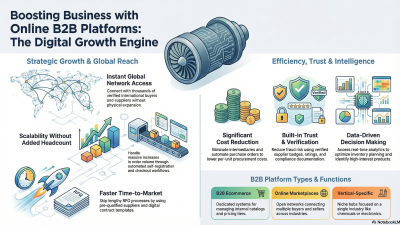
Benefits of Using Online B2B Platforms
Understanding the Benefits of Using Online B2B Platforms can help businesses make informed decisions about digital adoption.
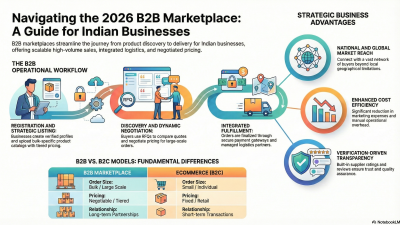
1. Wider Market Reach
An online portal allows businesses to go beyond local markets and connect globally. This is especially useful for those looking to collaborate with wholesalers in India or export internationally.
Example:
A small textile manufacturer in Surat can now reach buyers in Europe or the Middle East through a B2B marketplace.
2. Cost Efficiency
Traditional business operations involve high costs related to travel, marketing, and intermediaries. A B2B marketplace reduces these expenses by offering:
- Digital catalogs instead of physical samples
- Automated communication tools
- Direct buyer-seller interaction
This makes an online portal a cost-effective solution for scaling operations.
3. Improved Transparency
One of the major Benefits of Using Online B2B Platforms is transparency. Businesses can:
- Compare prices easily
- Check supplier ratings and reviews
- Track orders in real-time
This builds trust and reduces the risk of fraud.
4. Faster Transactions
Speed is crucial in modern business. An online portal ensures:
- Instant communication
- Quick order placement
- Faster payment processing
This significantly reduces turnaround time.
5. Access to Verified Suppliers
Finding reliable wholesalers in India can be challenging. However, most B2B marketplace platforms verify suppliers, ensuring credibility and quality.
6. Data-Driven Decision Making
Modern online portal systems provide analytics such as:
- Sales performance
- Customer behavior
- Market trends
This data helps businesses optimize strategies and improve ROI.
7. Scalability and Flexibility
As your business grows, an online portal grows with you. You can:
- Add new products
- Expand to new markets
- Automate processes
This flexibility is a key advantage of using a B2B marketplace.
Role of a B2B Marketplace in Business Growth
A B2B marketplace is more than just a trading platform—it’s an ecosystem that supports business expansion.
How It Helps Businesses:
1. Streamlined Supply Chain
An online portal connects manufacturers, distributors, and retailers, reducing delays and inefficiencies.
2. Better Pricing Opportunities
Businesses can compare multiple suppliers and negotiate better deals.
3. Increased Visibility
Listing your products on a B2B marketplace boosts brand exposure.
4. Enhanced Customer Relationships
Integrated communication tools improve engagement and retention.
How Online Portals Support Wholesalers in India
The rise of digital commerce has significantly benefited wholesalers in India, enabling them to compete on a global scale.
Key Advantages for Wholesalers:
- Access to a broader customer base
- Reduced dependency on physical markets
- Improved inventory management
- Better demand forecasting
Mini Case Study:
A Delhi-based electronics wholesaler shifted to an online portal and saw:
- 40% increase in sales within 6 months
- 30% reduction in operational costs
- Expansion into 3 new international markets
This highlights the real-world impact of adopting a B2B marketplace.
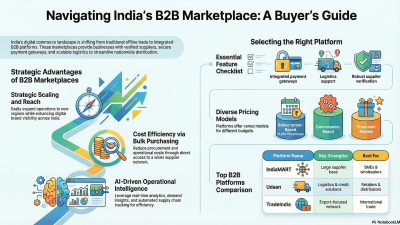
Key Features to Look for in an Online Portal
When choosing an online portal, businesses should consider the following:
1. User-Friendly Interface
Easy navigation ensures better user experience.
2. Secure Payment Systems
Look for portals with encrypted transactions.
3. Customization Options
Flexibility to tailor the platform to your business needs.
4. Mobile Compatibility
A mobile-friendly B2B marketplace ensures accessibility on the go.
5. Customer Support
Reliable support is essential for resolving issues quickly.
Tips to Maximize Benefits of Using Online B2B Platforms
To fully leverage the Benefits of Using Online B2B Platforms, follow these best practices:
1. Optimize Product Listings
- Use clear descriptions
- Add high-quality images
- Include relevant keywords
2. Build Strong Profiles
A complete business profile builds credibility.
3. Engage Regularly
Respond quickly to inquiries and maintain communication.
4. Monitor Analytics
Use data insights to improve performance.
5. Stay Updated
Keep up with new features and trends in your online portal.
Final Words
The digital transformation of business operations has made the online portal an essential tool for growth and efficiency. From expanding market reach to improving transparency and reducing costs, the Benefits of Using Online B2B Platforms are undeniable.
For businesses looking to connect with reliable wholesalers in India or explore new markets, adopting a B2B marketplace is no longer optional—it’s a necessity. By choosing the right platform and implementing best practices, companies can unlock new opportunities and stay competitive in an increasingly digital world.