Introduction
India’s supplier ecosystem is booming — but growth doesn’t come automatically. In a market with thousands of competing manufacturers and wholesalers, visibility is everything. That’s where a b2b marketplace becomes your most powerful growth tool.
Whether you sell textiles, electronics, agro products, or industrial equipment, connecting with the right buyers at scale is the real challenge. The best B2B marketplace platforms solve exactly that by bringing verified buyers and suppliers together on a single digital platform. If you’re a supplier in India still relying on traditional trade channels, this guide will show you precisely why and how joining a top B2B marketplace can fast-track your business growth.
What Is a B2B Marketplace and Why Does It Matter for Indian Suppliers?
A b2b marketplace is an online platform where businesses buy from and sell to other businesses. Unlike B2C platforms that target individual consumers, B2B marketplaces focus on bulk trade, wholesale pricing, and long-term commercial relationships.
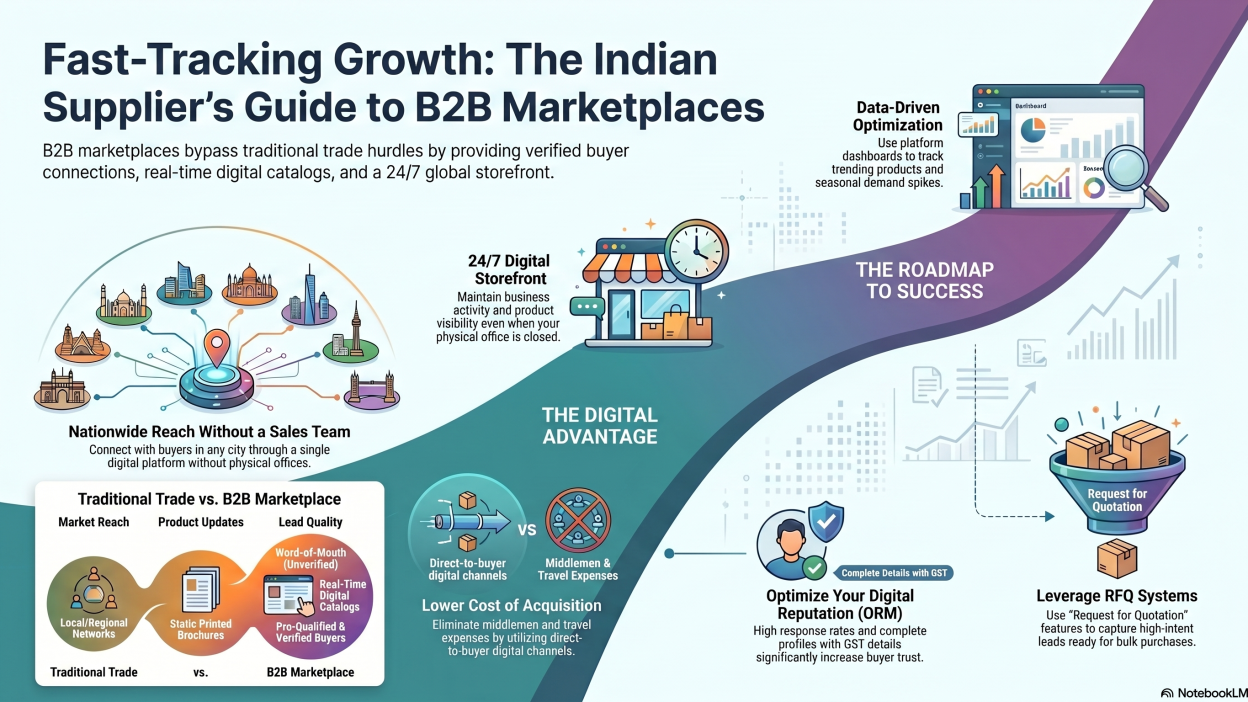
For Indian suppliers, these platforms offer a game-changing advantage: access to a nationwide and global network of verified buyers without the cost of setting up physical sales offices or attending trade fairs.
Here’s why it matters:
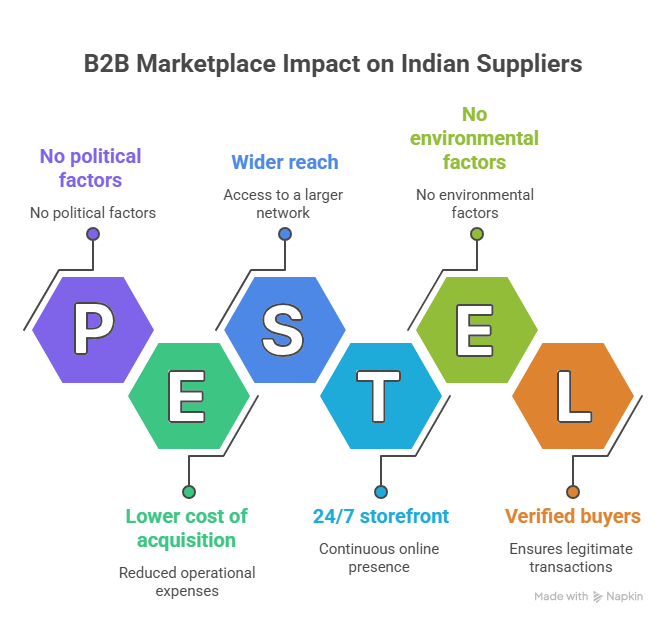
- Wider reach: List your products once and get discovered by thousands of active buyers.
- Lower cost of acquisition: No middlemen, no commissions to agents, no travel expenses.
- Faster deal cycles: Buyers come pre-qualified and ready to purchase in bulk.
- 24/7 storefront: Your business stays active even when you’re not.
The shift to digital trade is no longer optional — it’s the competitive standard that b2b wholesale suppliers across India are quickly adopting.
How B2B Platforms in India Are Transforming Traditional Trade
Traditional supplier-buyer relationships in India were built on word-of-mouth, regional networks, and annual trade exhibitions. While these still have value, they are too slow and too limited for modern business growth.
A b2b platform india solves the core limitations of traditional trade:
1. National Reach Without a National Sales Team
A supplier based in Surat can now receive bulk inquiries from buyers in Delhi, Bengaluru, or Kolkata — all through a single platform. This was previously only possible for large enterprises with dedicated sales teams in every region.
2. Real-Time Product Catalogues
Unlike printed brochures or static websites, B2B portals allow suppliers to update their product listings, pricing, and stock availability in real time. Buyers always see current information, which builds trust and speeds up transactions.
3. Verified Buyer Connections
Top B2B marketplaces in India verify buyer profiles before allowing them to contact suppliers. This drastically reduces time wasted on unqualified leads and ensures your team focuses on serious, high-intent buyers.
4. Data-Driven Decision Making
Most B2B platforms provide dashboards showing how many buyers viewed your listings, which products are getting the most inquiries, and where your traffic is coming from. Suppliers can use this data to refine their offerings and pricing strategy.
The Role of ORM (Online Reputation Management) in B2B Growth
One underestimated factor in supplier success on any b2b marketplace is ORM — Online Reputation Management. Your digital reputation directly impacts how many buyers trust you enough to initiate contact.
On B2B platforms, ORM includes:
- Seller ratings and reviews: Positive feedback from past buyers signals reliability to new prospects.
- Response rate tracking: Platforms often display how quickly suppliers respond to inquiries. A high response rate builds credibility.
- Profile completeness: A fully filled supplier profile with certifications, GST details, and product images scores higher in platform search algorithms.
- Dispute resolution history: How you handle buyer disputes reflects your professionalism and is often visible to other buyers.
Suppliers who actively manage their ORM on the best b2b portal in India consistently generate more qualified leads and close deals faster than those who neglect their digital reputation.
Key Features to Look for in the Best B2B Marketplace
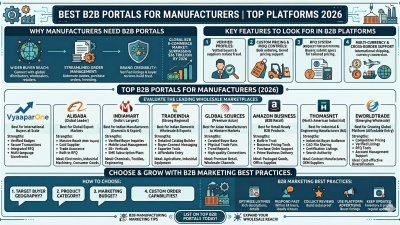
Not every B2B portal offers the same value. Here’s what separates the best b2b marketplace from average platforms:
Verified Buyer and Supplier Profiles
The platform should have a robust verification process. This protects suppliers from fraudulent inquiries and assures buyers they’re dealing with legitimate businesses.
Strong Search Engine Visibility
The best B2B portal in India will have high domain authority and rank well on Google. This means your supplier listing gets discovered not just on the platform but also through organic search — a significant traffic multiplier.
Mobile-Optimized Interface
A large percentage of B2B buyers in India now browse and initiate contact via mobile. A platform with a smooth mobile experience ensures you don’t miss inquiries from on-the-go buyers.
RFQ (Request for Quotation) System
Look for platforms with an RFQ feature that lets buyers send bulk quotation requests directly to multiple suppliers. This is one of the most efficient ways for suppliers to receive high-intent buyer leads.
Premium Listing Options
Top platforms offer paid plans that push your listings to the top of search results within the portal. This is a direct investment in lead generation and is usually highly cost-effective compared to traditional advertising.
Top B2B Marketplaces in India: What Makes Them Stand Out
When evaluating Top B2B marketplaces in India, suppliers should consider reach, category depth, buyer quality, and platform support. Here’s what the leading platforms generally offer:
Wide Category Coverage: The best portals cover everything from agriculture and chemicals to machinery and textiles under one digital roof.
Buyer Intent Data: Premium platforms show suppliers trending search categories and seasonal demand spikes — helping suppliers align their listings with current buyer intent.
Multilingual Support: India is diverse. Platforms supporting regional languages help suppliers in tier-2 and tier-3 cities connect with local buyers more effectively.
Export Facilitation: Several b2b wholesale suppliers in India use top platforms to also connect with international buyers, opening export revenue streams without the complexity of traditional export processes.
Dedicated Account Managers: On the best B2B portal India has to offer, premium subscribers often get assigned account managers who actively help optimize listings and improve conversion rates.
Step-by-Step: How Suppliers in India Can Get Started on a B2B Marketplace
Getting started on a b2b marketplace is simpler than most suppliers expect. Here’s a practical roadmap:
Step 1: Choose the Right Platform
Research Top B2B marketplaces in India based on your product category. Some platforms specialize in industrial goods, while others excel in consumer products or agri-commodities. Match your niche to the platform’s buyer base.
Step 2: Create a Complete Supplier Profile
Fill in every section: company overview, certifications, production capacity, minimum order quantity (MOQ), payment terms, and export capabilities. Incomplete profiles rank lower and convert poorly.
Step 3: Upload High-Quality Product Listings
Add clear product images, detailed descriptions, specifications, and pricing. The more information you provide, the less back-and-forth with buyers — and the faster the sale.
Step 4: Respond Quickly to Inquiries
Speed matters. Buyers on a b2b platform india typically contact multiple suppliers at once. Responding within 1-2 hours dramatically increases your chances of winning the deal.
Step 5: Actively Manage Your ORM
Request reviews from satisfied buyers. Update listings regularly. Address any negative feedback professionally. Your ORM score directly impacts how prominently your profile appears in platform search results.
Step 6: Upgrade to Premium When Ready
Free listings are a good starting point, but investing in a premium plan on the best b2b portal significantly boosts visibility and lead volume. Treat it as a marketing investment, not just a listing fee.
Common Mistakes Indian Suppliers Make on B2B Platforms
Even after joining a top B2B marketplace, many suppliers fail to fully capitalize on the opportunity. Here are the most common mistakes:
Incomplete profiles: Buyers skip profiles that lack photos, certifications, or clear product descriptions.
Slow response times: A 24-48 hour response delay often means losing the buyer to a competitor.
Ignoring ORM: Failing to collect positive reviews leaves your profile looking unproven, even after years on the platform.
Pricing errors: Listing outdated or uncompetitive prices drives buyers away before they even send an inquiry.
Not leveraging analytics: Most B2B portals provide actionable data. Suppliers who ignore it miss easy optimization wins.
Avoiding these mistakes separates fast-growing suppliers from those who struggle despite having good products.
How B2B Marketplaces Support Export Growth for Indian Suppliers
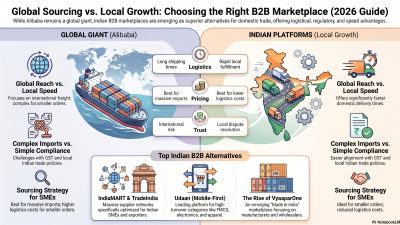
India is one of the world’s largest exporters, and b2b wholesale suppliers are increasingly using digital platforms to access international markets. The best B2B marketplace platforms with an export focus connect Indian suppliers with buyers from the Middle East, Southeast Asia, Africa, and beyond.
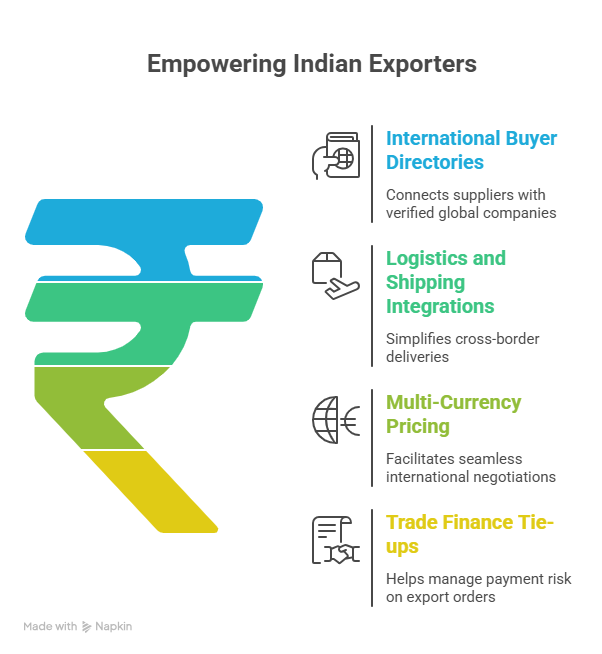
Key export-support features to look for:
- International buyer directories with verified global companies
- Logistics and shipping integrations that simplify cross-border deliveries
- Multi-currency pricing for seamless international negotiations
- Trade finance tie-ups that help suppliers manage payment risk on export orders
By listing on the right b2b platform india with international exposure, suppliers can diversify revenue streams and reduce dependence on domestic demand cycles.
Conclusion
India’s supplier landscape is undergoing a digital revolution, and the b2b marketplace is at the heart of it. From gaining national visibility and building an unshakeable ORM to connecting with international buyers and closing deals faster — the advantages are too significant to ignore.
If you’re a supplier in India looking to scale, the first step is simple: find the best b2b portal that aligns with your product category and get your profile live today. The buyers are already there. The only question is whether they can find you.
Start with the best B2B marketplace for your industry, invest in your digital presence, and watch your supplier business grow faster than traditional channels could ever allow.
Frequently Asked Questions
What is the best B2B marketplace for suppliers in India?
The best B2B marketplace depends on your product category, target buyers, and budget. Look for platforms with verified buyer profiles, strong organic search presence, RFQ systems, and responsive customer support. Compare 2-3 platforms, test with a free listing, and upgrade where you get the best lead quality.
How does ORM affect supplier performance on B2B portals?
ORM directly affects how buyers perceive your business before making contact. Strong ratings, quick response times, and a complete profile signal trustworthiness. Poor ORM — such as low ratings or no reviews — causes buyers to skip your listing in favor of competitors with stronger reputations.
Is a B2B platform in India suitable for small suppliers?
Absolutely. Many Top B2B marketplaces offer free or low-cost starter plans designed specifically for small and medium suppliers. These allow smaller businesses to compete with larger players by gaining digital visibility they couldn’t otherwise afford.
How quickly can a supplier start getting leads on a B2B marketplace?
With a complete, optimized profile, most suppliers start receiving inquiries within the first few weeks. Premium listings on the best b2b portal in India can generate leads even faster — sometimes within days of going live.
What types of products sell well on B2B platforms in India?
Virtually every product category performs well, but high-demand categories typically include industrial machinery, raw materials, textiles and apparel, electronics, construction materials, agro commodities, chemicals, and FMCG products.