What Is an OEM Original Equipment Manufacturer?
An OEM original equipment manufacturer is a company that produces components, parts, or complete products that are then sold to another company, which rebrands or integrates them into their own finished goods. The term is widely used across industries — from automotive and electronics to healthcare and consumer goods.
Understanding the OEM concept is critical for any business involved in product development, supply chains, or manufacturing partnerships. Whether you’re a startup looking to bring a product to market or an enterprise sourcing components at scale, knowing how original equipment manufacturers operate can save you time, money, and serious headaches.
In simple terms, when you buy a laptop from a well-known brand, many of the internal components — the display panel, battery, keyboard, or circuit board — were likely made by a separate OEM manufacturer. The brand you trust simply assembled and branded those parts into the final product you purchased.
The OEM model is not just a supply chain arrangement. It’s a strategic business relationship that drives the global economy, enabling companies to specialize, scale, and compete without building every component from scratch.
How the OEM Business Model Works
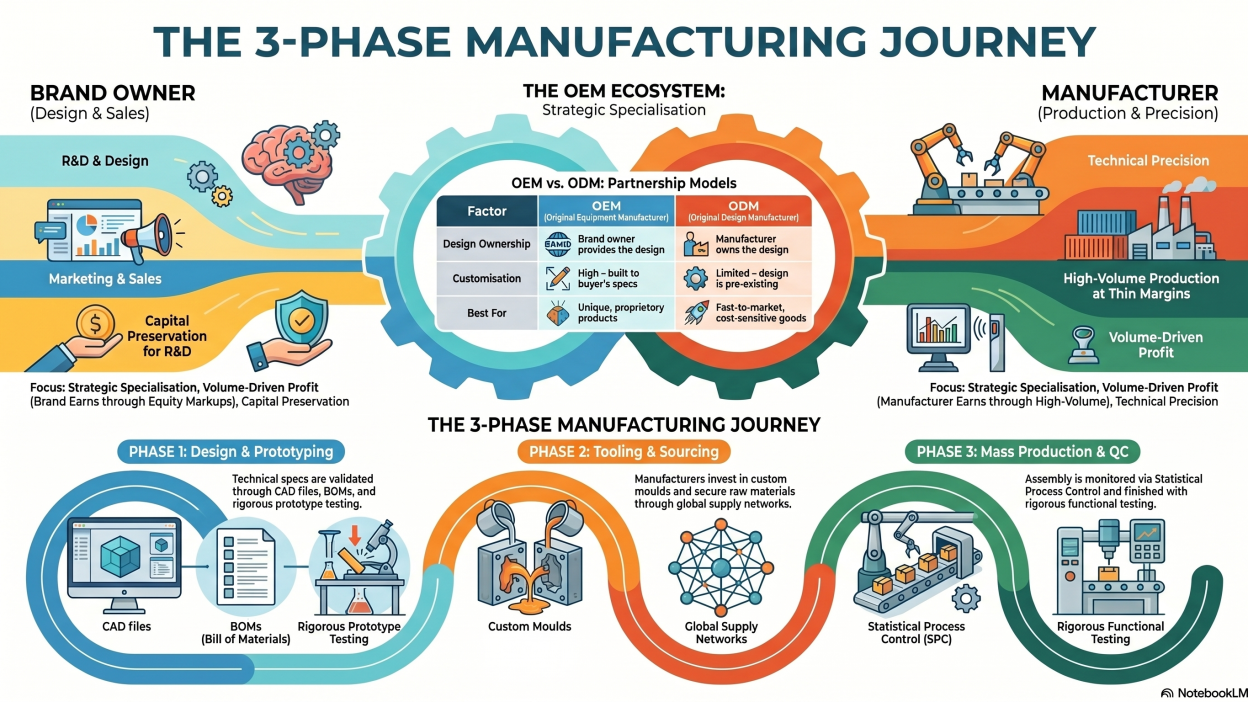
The OEM business model is built on a foundation of specialization and partnership. At its core, the OEM business model separates the act of manufacturing from the act of branding and selling. This division of labor allows each party to focus on their core competency.
The Key Parties in an OEM Arrangement
1. The OEM Manufacturer This is the company that physically produces the product or component. They invest in production facilities, machinery, skilled labor, and quality control systems. Their expertise lies in manufacturing efficiency and technical precision.
2. The Brand Owner (OEM Buyer) This is the company that purchases the manufactured goods and sells them under their own brand name. They typically handle product design, marketing, sales, and customer service. They may or may not be involved in specifying the technical requirements.
3. The End Customer The final consumer who purchases the branded product without necessarily knowing — or needing to know — who originally manufactured it.
Revenue and Profit Structure
In the OEM business model, the manufacturer earns revenue by selling goods at a contracted price per unit. Margins are often thin, but volume is high. The brand owner, on the other hand, earns by marking up the product and building brand equity. The added value comes from design, marketing, and customer experience.
This structure incentivizes OEM manufacturers to optimize production costs while maintaining quality. Brand owners, meanwhile, can invest more heavily in product innovation and go-to-market strategy rather than factory infrastructure.
How Contracts Are Structured
OEM agreements are typically governed by detailed contracts covering:
- Product specifications and tolerances — precise technical requirements
- Volume commitments — minimum order quantities (MOQs) and forecasts
- Pricing terms — unit price, payment schedules, and volume discounts
- Quality standards — inspection protocols and defect rates
- Intellectual property rights — who owns the design and tooling
- Confidentiality clauses — protecting proprietary information
- Warranty and liability — who bears responsibility for defects or failures
The OEM business model thrives on long-term relationships. Once a supplier relationship is established and trust is built, both parties benefit from stability, cost efficiencies, and streamlined communication.
The OEM Manufacturing Process: Step-by-Step
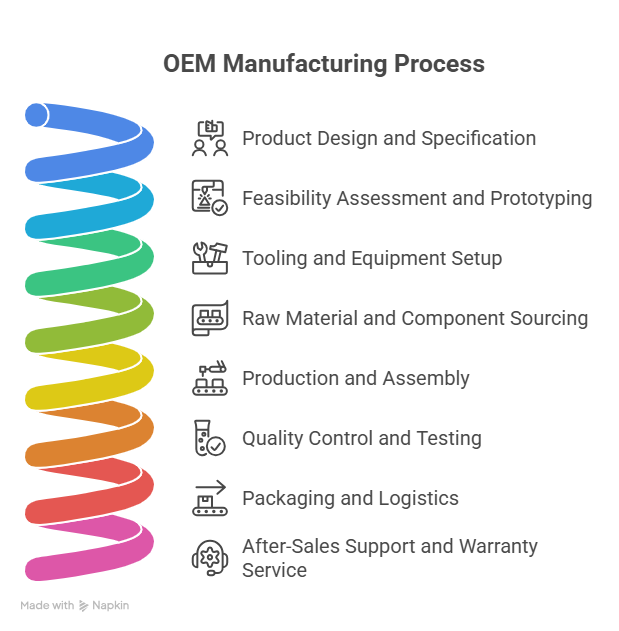
The OEM manufacturing process is a structured sequence of activities that transforms raw materials and components into finished goods that meet the specifications of the brand owner. While the exact steps vary by industry and product type, most OEM manufacturing processes follow a similar framework.
Step 1: Product Design and Specification
The process begins with the brand owner providing detailed product specifications to the OEM manufacturer. These specifications may include:
- Engineering drawings and CAD files
- Bill of materials (BOM)
- Performance requirements and tolerances
- Regulatory compliance standards
- Target production cost and timeline
In some cases, the OEM manufacturer contributes to the design phase, especially when the brand owner lacks deep manufacturing expertise.
Step 2: Feasibility Assessment and Prototyping
Once specifications are received, the OEM manufacturer evaluates technical and commercial feasibility. Engineers review the design to identify production challenges, suggest material substitutions, or propose manufacturing improvements.
A prototype is then developed to validate the design before full production begins. Prototypes go through multiple rounds of testing and revision. This is a critical stage — catching design flaws here saves significant costs downstream.
Step 3: Tooling and Equipment Setup
After the prototype is approved, the OEM manufacturer invests in tooling — the molds, dies, jigs, and fixtures needed for mass production. This stage can take weeks or months, depending on complexity.
Tooling costs are sometimes borne by the brand owner, especially for custom parts. This upfront investment is recovered over the production run.
Step 4: Raw Material and Component Sourcing
The OEM manufacturer sources the required materials and components from their established supplier network. Supply chain management is a core competency here — ensuring quality, cost-efficiency, and timely delivery at scale.
For complex assemblies, the OEM may work with sub-suppliers or tier-2 manufacturers. Managing this multi-tiered supply chain is one of the more demanding aspects of the OEM manufacturing process.
Step 5: Production and Assembly
Mass production begins once all materials and tooling are in place. The production line is set up, workers are trained, and manufacturing commences according to the agreed schedule.
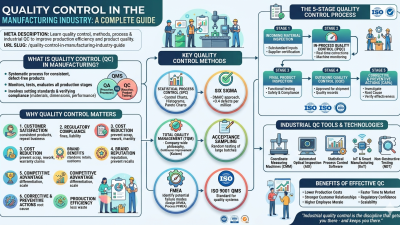
Quality checkpoints are embedded throughout this stage. Statistical process control (SPC), in-process inspection, and automated quality systems help catch defects before they propagate through the production run.
Step 6: Quality Control and Testing
Finished goods undergo rigorous quality control testing before shipment. This typically includes:
- Dimensional inspection — verifying physical measurements
- Functional testing — confirming the product performs as specified
- Environmental testing — stress-testing under temperature, humidity, and vibration conditions
- Compliance testing — verifying regulatory and certification requirements (e.g., CE, UL, RoHS)
The OEM manufacturer prepares detailed quality reports that are shared with the brand owner as part of each shipment.
Step 7: Packaging and Logistics
Products are packaged according to brand owner requirements — this may include branded packaging or neutral shipping cartons. The OEM manages logistics to the agreed delivery point, whether that’s a warehouse, distribution center, or directly to a retailer.
Step 8: After-Sales Support and Warranty Service
Post-shipment, the OEM may provide technical support, warranty repair services, or spare parts. The level of after-sales involvement depends on the contract and the complexity of the product.
OEM Manufacturing Services: What’s Included
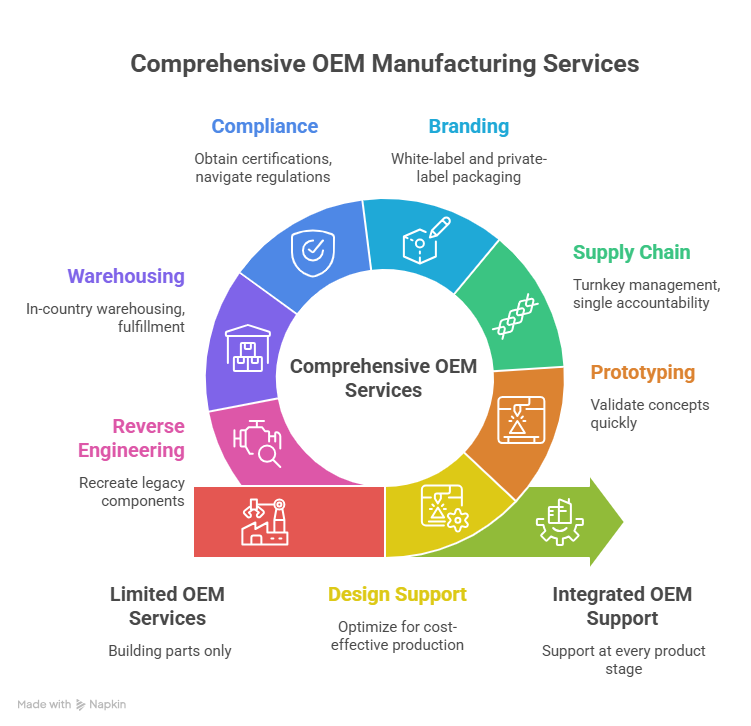
OEM manufacturing services go far beyond simply building parts. Modern OEM manufacturers offer a comprehensive suite of services designed to support brand owners at every stage of the product lifecycle.
Design and Engineering Support
Many OEM manufacturers offer design for manufacturability (DFM) services, helping brand owners optimize their product designs for cost-effective production. This collaboration can dramatically reduce per-unit costs and improve reliability.
Engineering teams at OEM facilities also assist with material selection, tolerance stack-up analysis, and compliance documentation.
Prototyping and Rapid Tooling
Fast-turnaround prototyping services — including 3D printing, CNC machining, and soft tooling — allow brand owners to validate concepts quickly. Rapid tooling shortens the time from design approval to production start.
Supply Chain Management
Full-service OEM manufacturing services often include turnkey supply chain management. The OEM handles procurement, inventory management, supplier qualification, and logistics coordination. This simplifies operations for brand owners who want a single point of accountability.
Custom Branding and Packaging
OEM manufacturers frequently offer white-label and private-label packaging services. Products can be packaged with the brand owner’s logos, colors, and marketing materials, emerging from the factory ready to sell.
Compliance and Certification
Navigating regulatory requirements is complex and time-consuming. Many OEM manufacturing services include help obtaining certifications such as ISO 9001, CE marking, FCC approval, UL listing, and industry-specific standards. This is especially valuable for brand owners entering new markets.
Warehousing and Fulfillment
Some OEM manufacturers offer value-added logistics services including in-country warehousing, kitting, and direct-to-consumer fulfillment. This fully integrated approach is known as a contract manufacturing or turnkey OEM model.
Reverse Engineering and Legacy Part Support
For industrial and aerospace applications, OEM manufacturing services may include reverse engineering — recreating legacy components from worn samples or incomplete drawings. This keeps older equipment operational without requiring expensive platform replacements.
Top OEM Manufacturing Companies Around the World
The global landscape of OEM manufacturing companies is vast and diverse. Spanning multiple continents and industries, these companies collectively power the supply chains of the world’s most recognized brands.
Electronics and Technology OEM Companies
Foxconn (Hon Hai Precision Industry) Headquartered in Taiwan, Foxconn is arguably the world’s most famous OEM manufacturer. It assembles products for Apple, Microsoft, Sony, Dell, and hundreds of other technology brands. With over one million employees, it represents the scale that OEM manufacturing can achieve.
Flextronics (Flex Ltd.) A Singapore-headquartered contract manufacturer and OEM services provider serving industries from healthcare to automotive. Flex provides end-to-end product lifecycle management for global brands.
Pegatron Another Taiwan-based OEM manufacturer that assembles iPhones, gaming consoles, and networking equipment. Pegatron is a key player in consumer electronics supply chains.
Jabil Inc. A US-headquartered company offering OEM manufacturing services across healthcare, automotive, aerospace, and consumer electronics. Jabil is known for its advanced manufacturing capabilities and engineering services.
Automotive OEM Manufacturing Companies
Magna International A Canadian-based automotive OEM manufacturer producing everything from seating systems to complete vehicle assemblies. Magna supplies to virtually every major automaker in the world.
Bosch A German multinational and one of the largest automotive OEM suppliers globally. Bosch produces braking systems, fuel injectors, sensors, and advanced driver-assistance systems (ADAS) for dozens of vehicle brands.
Denso A Japanese OEM manufacturer supplying thermal systems, powertrain components, and electronics to Toyota, Honda, and other automotive brands worldwide.
Continental AG Another major German automotive OEM known for its tire manufacturing, electronic systems, and autonomous driving technology components.
Industrial and Defense OEM Companies
Honeywell A US multinational that operates as both a brand and an OEM manufacturer in aerospace, industrial automation, and building technologies.
Parker Hannifin Specializes in motion and control technologies, supplying OEM components to industries including aerospace, oil & gas, and industrial machinery.
Rockwell Collins (Collins Aerospace) A leading OEM in avionics, communication systems, and aerospace components for commercial and military aircraft.
Pharmaceutical and Medical OEM Companies
Lonza Group A Swiss company offering OEM pharmaceutical manufacturing services including active pharmaceutical ingredient (API) production, biologics, and cell & gene therapy manufacturing.
Catalent A US-based provider of OEM drug delivery, biologics, and consumer health manufacturing services for pharmaceutical brands globally.
OEM vs ODM: Key Differences Explained
A common point of confusion in manufacturing is the distinction between OEM and ODM. Understanding the difference is critical when selecting a manufacturing partner.
What Is ODM?
ODM stands for Original Design Manufacturer. An ODM company not only manufactures the product but also owns the original design. Brand owners purchase these pre-designed products and sell them under their own brand names with minimal or no modification.
OEM vs ODM Comparison
| Factor | OEM | ODM |
| Design Ownership | Brand owner provides the design | Manufacturer owns the design |
| Customization | High — built to buyer’s specs | Limited — design is pre-existing |
| Lead Time | Longer — design must be developed | Shorter — design already exists |
| Upfront Investment | Higher — tooling and design costs | Lower — shared design costs |
| Intellectual Property | Buyer usually retains IP | Manufacturer retains design IP |
| Brand Differentiation | High | Lower — competitors may use same design |
| Best For | Unique, proprietary products | Fast-to-market, cost-sensitive products |
When to Choose OEM
Choose the OEM route when:
- Your product design is a key competitive advantage
- You need full control over specifications and quality
- You are building long-term brand equity around product uniqueness
- You have the resources for design development and tooling investment
When to Choose ODM
Choose the ODM route when:
- Speed to market is the primary priority
- Your differentiation lies in branding, not product design
- You want to minimize upfront capital expenditure
- Your product category is commoditized
Benefits of Partnering with an OEM
Working with the right original equipment manufacturer delivers significant strategic and operational advantages.
Cost Efficiency at Scale
OEM manufacturers operate at high volume with optimized production lines. They achieve economies of scale in procurement, labor, and overhead that a small or mid-sized brand owner simply cannot replicate internally. This translates directly into lower per-unit costs.
Access to Specialized Expertise
Manufacturing is a deeply technical discipline. OEM manufacturers invest heavily in process engineering, materials science, quality management, and production technology. Partnering with an OEM gives brand owners instant access to this expertise without years of capability building.
Faster Time to Market
Leveraging an established OEM’s existing production infrastructure, tooling capabilities, and supply chain relationships accelerates the path from concept to commercial product. Time-to-market advantages translate into competitive positioning and revenue generation.
Capital Preservation
Building a factory requires enormous capital investment in equipment, real estate, and workforce. By outsourcing production to an OEM manufacturer, brand owners preserve capital for higher-return activities like R&D, marketing, and sales.
Scalability and Flexibility
OEM partnerships allow brand owners to scale production up or down in response to market demand without the constraints of fixed manufacturing assets. This agility is particularly valuable in markets with seasonal demand patterns or rapid growth trajectories.
Focus on Core Competencies
Outsourcing production to an OEM frees brand owners to focus on what they do best — product innovation, customer relationships, and brand building. This strategic focus often results in better business performance overall.
Challenges in OEM Manufacturing
Despite its many advantages, the OEM manufacturing model presents real challenges that require careful management.
Intellectual Property Risk
Sharing detailed product designs with a third-party manufacturer creates exposure to IP theft. This is a particularly significant concern when working with manufacturers in regions with weaker IP enforcement frameworks. Robust contracts, non-disclosure agreements, and strategic supply chain design help mitigate this risk.
Quality Control at a Distance
Maintaining consistent quality when production is handled remotely — often in another country — requires investment in quality assurance infrastructure. This includes factory audits, third-party inspection services, and rigorous incoming goods inspection at the receiving end.
Supply Chain Disruption
Global OEM supply chains are vulnerable to disruption from geopolitical events, natural disasters, pandemics, and logistics bottlenecks. The COVID-19 pandemic exposed these vulnerabilities dramatically, leading many companies to diversify their OEM partnerships and nearshore manufacturing.
Communication and Cultural Barriers
Working with OEM manufacturers across different languages, time zones, and business cultures creates friction. Misunderstood specifications, delayed responses, and misaligned expectations are common pain points that must be managed proactively.
Hidden Costs
Initial quotes from OEM manufacturers can understate total costs. Tooling amortization, packaging, logistics, customs duties, quality inspection fees, and engineering change costs can significantly erode the anticipated cost savings if not accounted for upfront.
Over-Dependence on a Single Supplier
Relying on a single OEM manufacturer creates concentration risk. If that supplier faces operational difficulties, financial distress, or capacity constraints, your business is directly impacted. Dual-sourcing strategies help mitigate this vulnerability.
Industries That Rely on OEM Manufacturing
The OEM model touches virtually every sector of the economy. Here’s a look at how different industries leverage original equipment manufacturing.
Automotive Industry
The automotive industry is perhaps the most mature user of the OEM model. A modern automobile contains thousands of components supplied by a complex web of OEM manufacturers. Automakers like Ford, Toyota, and Volkswagen focus on vehicle design, brand management, and final assembly — sourcing the vast majority of components from OEM suppliers.
Consumer Electronics
Smartphones, laptops, tablets, gaming consoles, and wearables are predominantly manufactured by OEM companies in Asia. The electronics OEM sector is characterized by rapid product cycles, intense cost pressure, and highly sophisticated supply chains.
Healthcare and Medical Devices
OEM manufacturing plays a vital role in producing medical equipment, diagnostic devices, and pharmaceutical products. Regulatory complexity and patient safety requirements make quality management particularly critical in this sector.
Aerospace and Defense
Aerospace OEM manufacturers produce highly engineered components for commercial aircraft, spacecraft, and military systems. These supply chains are tightly regulated, with manufacturers required to hold certifications like AS9100 and NADCAP.
Industrial Equipment
Construction machinery, material handling equipment, pumps, compressors, and industrial automation systems all rely heavily on OEM component suppliers. Long product lifecycles and demanding operating environments make reliability the paramount concern.
Consumer Goods and Retail
From private-label apparel to branded household products, the consumer goods industry relies extensively on OEM manufacturing in low-cost production regions. Fast fashion, home goods, and personal care products are areas where OEM partnerships are ubiquitous.
How to Choose the Right OEM Manufacturing Partner
Selecting the right OEM partner is one of the most consequential decisions a product company will make. Here’s a structured approach to evaluating and selecting the best fit.
Define Your Requirements Clearly
Before approaching any OEM manufacturer, document your requirements comprehensively:
- Technical specifications and quality standards
- Target unit cost and volume projections
- Lead time requirements
- Regulatory compliance needs
- Geographic preferences
Ambiguity in requirements leads to misaligned expectations and costly surprises.
Evaluate Technical Capabilities
Assess whether the OEM manufacturer has the production processes, equipment, and engineering expertise to meet your specifications. Request detailed information about:
- Manufacturing processes and technology
- Quality management systems (ISO 9001, IATF 16949, etc.)
- Testing and inspection equipment
- Engineering staff qualifications
Assess Financial Stability
Partnering with an OEM that lacks financial stability creates serious supply chain risk. Request financial references, check credit ratings, and understand the manufacturer’s customer concentration. An OEM that is overly dependent on a single customer may be financially fragile.
Visit the Factory
Nothing replaces an in-person factory audit. On-site visits reveal the true state of a manufacturer’s operations — cleanliness, workforce morale, process discipline, and management culture. Virtual audits and third-party factory assessments are useful alternatives when travel is not feasible.
Request Samples and Conduct Trials
Before committing to a full production run, always request production samples and conduct thorough testing. A pilot production run on a small scale can surface quality issues and process instability before they affect your commercial launch.
Evaluate Communication and Responsiveness
The quality of communication during the evaluation phase is a strong predictor of the partnership experience. Assess how quickly and thoroughly the OEM responds to inquiries, how clearly they communicate, and how proactively they address concerns.
Review Contract Terms Carefully
Negotiate clear contract terms covering all critical elements: pricing, MOQs, lead times, quality standards, tooling ownership, IP rights, confidentiality, and termination conditions. Engage legal counsel experienced in international manufacturing contracts if necessary.
Future Trends in OEM Manufacturing
The OEM manufacturing landscape is evolving rapidly. Several emerging trends are reshaping how original equipment manufacturers operate and how brand owners engage with them.
Industry 4.0 and Smart Manufacturing
The integration of IoT, artificial intelligence, robotics, and data analytics into production environments — collectively known as Industry 4.0 — is transforming OEM manufacturing. Smart factories leverage real-time data to optimize production scheduling, predict equipment failures, and reduce waste. OEM manufacturers adopting these technologies achieve significant competitive advantages in cost, quality, and responsiveness.
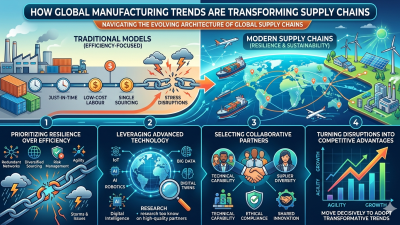
Nearshoring and Supply Chain Resilience
Post-pandemic, many companies are moving OEM production closer to their end markets — a trend known as nearshoring. Reducing dependence on distant, single-source supply chains improves resilience against disruption. Mexico, Eastern Europe, and Southeast Asia are benefiting from this shift.
Sustainability and Green Manufacturing
Environmental sustainability is becoming a competitive differentiator in OEM manufacturing. Brand owners face growing pressure from consumers, regulators, and investors to reduce the environmental footprint of their supply chains. OEM manufacturers who can demonstrate energy efficiency, responsible material sourcing, and circular economy practices will gain preferred supplier status.
Additive Manufacturing and Digital Fabrication
3D printing and additive manufacturing are enabling OEM manufacturers to produce complex parts with lower tooling investment, shorter lead times, and greater design freedom. While not yet a mainstream production technology for high-volume applications, additive manufacturing is reshaping prototyping, spare parts production, and low-volume specialty manufacturing.
Servitization and OEM-as-a-Service
OEM manufacturers are increasingly moving beyond transactional product supply to offer outcome-based services. This “servitization” model involves ongoing service contracts, performance guarantees, and integrated lifecycle management. It deepens customer relationships and creates more stable, recurring revenue streams.
AI-Powered Quality Control
Artificial intelligence-driven vision systems and predictive analytics are revolutionizing quality control in OEM manufacturing. These systems can detect defects invisible to the human eye, at speeds and volumes impossible to achieve with manual inspection. The result is higher quality, lower defect rates, and reduced inspection costs.
Final Thought
The OEM original equipment manufacturer model is one of the most powerful structures in the global economy. It enables specialization at scale — allowing manufacturers to achieve extraordinary production efficiency while brand owners focus on innovation, marketing, and customer experience.
Understanding the OEM business model, the OEM manufacturing process, and the range of OEM manufacturing services available is essential for any business involved in product development or supply chain management. Whether you’re evaluating OEM manufacturing companies as potential partners or designing a go-to-market strategy for a new product, the principles covered in this guide provide a solid foundation.
The future of OEM manufacturing is being shaped by smart technologies, sustainability imperatives, and a renewed focus on supply chain resilience. Companies that navigate these trends strategically — choosing the right OEM partners, building strong collaborative relationships, and maintaining rigorous quality standards — will secure durable competitive advantages.
Ready to explore OEM manufacturing for your business? Start by defining your product requirements clearly, identifying qualified OEM manufacturing companies in your target region, and engaging in a structured evaluation process. The right OEM partner can be a transformative asset for your business.
Frequently Asked Questions
What does OEM stand for?
OEM stands for Original Equipment Manufacturer. It refers to a company that manufactures products or components that are purchased by another company and sold under the buyer’s brand name.
What is an example of an OEM?
Foxconn is one of the most well-known OEM examples — it manufactures iPhones and other electronics for Apple. In the automotive world, Bosch manufactures braking and fuel systems for car brands like BMW, Mercedes-Benz, and Ford.
What is the difference between OEM and aftermarket?
OEM parts are made by the original equipment manufacturer and meet the same specifications as the parts used in the original product. Aftermarket parts are produced by third-party companies and may differ in specification, quality, and price.
Is OEM the same as private label?
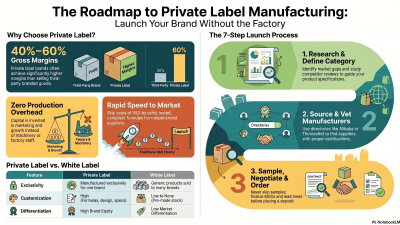
Not exactly. Private label typically refers to a brand owner selling products manufactured by a third party under their own brand, which is a form of OEM. However, private label usually implies minimal customization, while OEM arrangements can involve highly customized, brand-owner-specified products.
What is OEM software?
OEM software refers to software that is bundled with hardware by a manufacturer. For example, a PC manufacturer may include a licensed version of Windows with their computers. This software is sold through the OEM channel and may differ from retail versions in its license terms.
How do I find a reliable OEM manufacturer?
Key steps include attending industry trade shows, using platforms like Alibaba or ThomasNet, engaging sourcing agents, requesting references from industry peers, and conducting thorough factory audits. Always request samples before committing to full production.
What is an OEM agreement?
An OEM agreement is a contract between a manufacturer and a brand owner outlining the terms of their manufacturing partnership. It covers product specifications, pricing, volumes, quality standards, intellectual property rights, and confidentiality.
What industries use OEM manufacturing most?
The automotive, consumer electronics, healthcare, aerospace, industrial equipment, and consumer goods industries are among the heaviest users of OEM manufacturing.
Frequently Asked Questions
What does OEM stand for?
OEM stands for Original Equipment Manufacturer. It refers to a company that manufactures products or components that are purchased by another company and sold under the buyer’s brand name.
What is an example of an OEM?
Foxconn is one of the most well-known OEM examples — it manufactures iPhones and other electronics for Apple. In the automotive world, Bosch manufactures braking and fuel systems for car brands like BMW, Mercedes-Benz, and Ford.
What is the difference between OEM and aftermarket?
OEM parts are made by the original equipment manufacturer and meet the same specifications as the parts used in the original product. Aftermarket parts are produced by third-party companies and may differ in specification, quality, and price.
Is OEM the same as private label?
Not exactly. Private label typically refers to a brand owner selling products manufactured by a third party under their own brand, which is a form of OEM. However, private label usually implies minimal customization, while OEM arrangements can involve highly customized, brand-owner-specified products.
What is OEM software?
OEM software refers to software that is bundled with hardware by a manufacturer. For example, a PC manufacturer may include a licensed version of Windows with their computers. This software is sold through the OEM channel and may differ from retail versions in its license terms.
How do I find a reliable OEM manufacturer?
Key steps include attending industry trade shows, using platforms like Alibaba or ThomasNet, engaging sourcing agents, requesting references from industry peers, and conducting thorough factory audits. Always request samples before committing to full production.
What is an OEM agreement?
An OEM agreement is a contract between a manufacturer and a brand owner outlining the terms of their manufacturing partnership. It covers product specifications, pricing, volumes, quality standards, intellectual property rights, and confidentiality.
What industries use OEM manufacturing most?
The automotive, consumer electronics, healthcare, aerospace, industrial equipment, and consumer goods industries are among the heaviest users of OEM manufacturing.