In today’s fast-evolving global economy, manufacturing companies and reliable manufacturers play a crucial role in shaping industries—from consumer goods to industrial equipment. Whether you’re a startup launching your first product or an established brand scaling operations, finding the right partners can determine your success.
With the rise of digital platforms, businesses are no longer limited to local sourcing. A top b2b marketplace now connects buyers and suppliers across the globe, making it easier than ever to discover trusted manufacturers. At the same time, the growth of the ecommerce marketplace ecosystem has transformed how products are sourced, negotiated, and delivered.
This guide will walk you through everything you need to know about manufacturing companies, how to evaluate manufacturers, and how to leverage the best digital platforms to grow efficiently. Whether you’re new to sourcing or looking to optimize your supply chain, this comprehensive article is designed to help.
What Are Manufacturing Companies?
Manufacturing companies are businesses that produce goods by transforming raw materials into finished products. These companies form the backbone of global trade and supply chains.
Types of Manufacturing Companies
- Discrete Manufacturing
- Produces individual items like cars, electronics, and furniture.
- Process Manufacturing
- Deals with chemicals, food, and beverages.
- Custom Manufacturing
- Tailored products based on specific client requirements.
- Mass Production
- Large-scale production with standardized processes.
Why Choosing the Right Manufacturers Matters
Selecting the right manufacturers is critical for product quality, cost efficiency, and brand reputation.
Key Benefits of Reliable Manufacturers
- Consistent product quality
- Faster production timelines
- Cost optimization
- Scalability for growth
- Compliance with regulations
Example Case Study
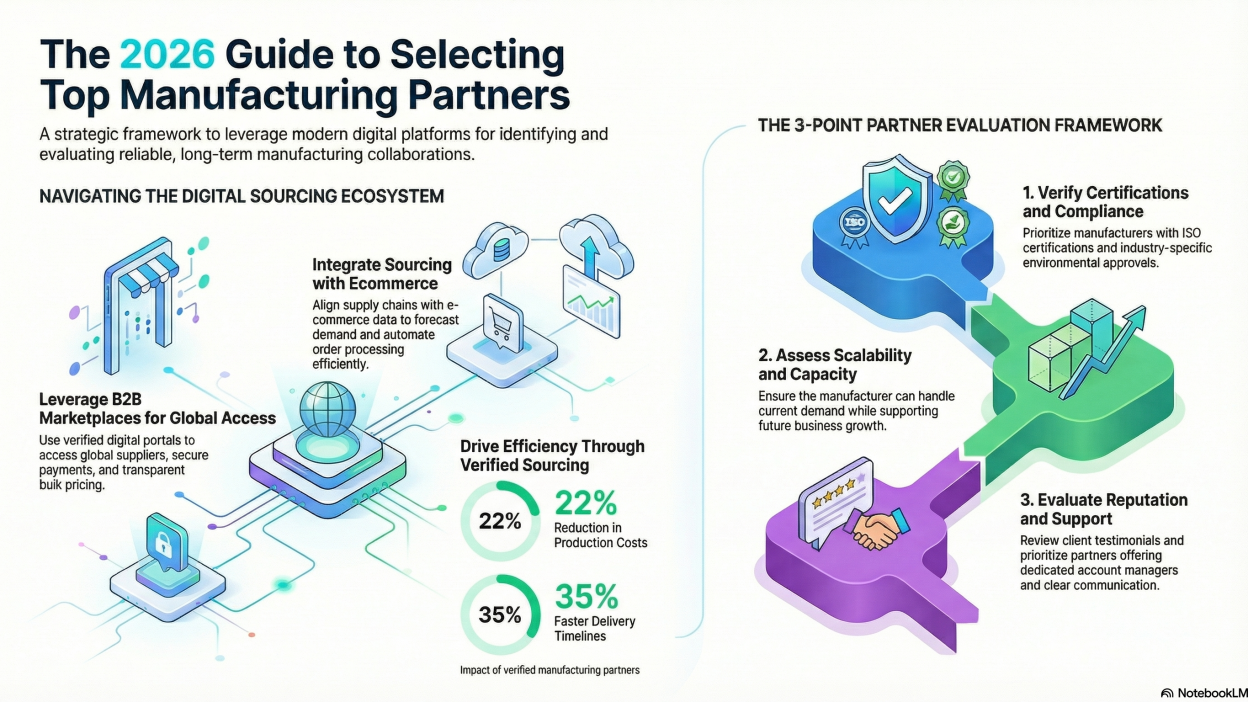
A small apparel startup switched to a verified supplier on a top b2b marketplace and reduced production costs by 22% while improving delivery timelines by 35%. This highlights the importance of choosing the right manufacturers.
How a Top B2B Marketplace Helps You Find Manufacturing Companies
A top b2b marketplace acts as a bridge between buyers and manufacturing companies, simplifying sourcing and procurement.
Key Features of a Top B2B Marketplace
- Verified supplier listings
- Product catalogs with detailed specifications
- Secure payment systems
- Ratings and reviews
- Bulk pricing options
Benefits of Using a B2B Marketplace
- Access to global manufacturers
- Reduced sourcing time
- Competitive pricing
- Transparent communication
Popular Use Case
Many businesses today use a top b2b marketplace alongside an ecommerce marketplace strategy to streamline both sourcing and selling operations.
The Role of Ecommerce Marketplace in Manufacturing
An ecommerce marketplace is not just for selling—it’s also becoming a vital part of the sourcing ecosystem.
How Ecommerce Marketplace Supports Manufacturers
- Direct-to-consumer selling
- Market demand analysis
- Brand visibility
- Inventory management integration
Integration Between B2B and Ecommerce Platforms
Modern manufacturing companies often integrate their supply chains with an ecommerce marketplace to:
- Forecast demand
- Automate order processing
- Improve logistics efficiency
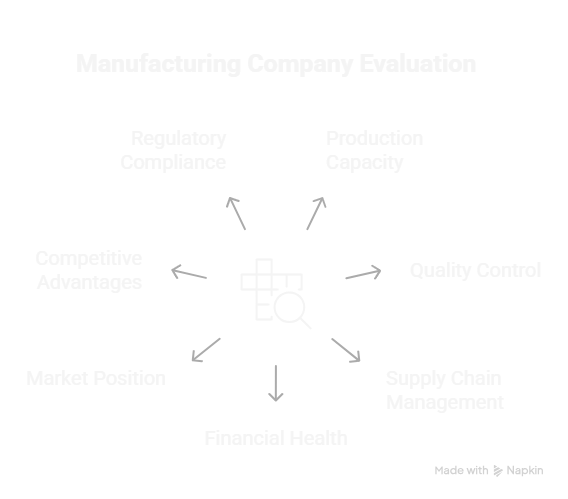
How to Evaluate Manufacturing Companies
Choosing from thousands of manufacturing companies can be overwhelming. Here’s a structured approach:
1. Check Certifications and Compliance
Look for:
- ISO certifications
- Industry-specific approvals
- Environmental compliance
2. Assess Production Capacity
Ensure the manufacturers can handle:
- Current demand
- Future scalability
3. Review Past Work
- Portfolio
- Client testimonials
- Case studies
4. Compare Pricing
Use a top b2b marketplace to compare multiple suppliers efficiently.
5. Communication and Support
Reliable manufacturers provide:
- Clear communication
- Quick response times
- Dedicated account managers
Top Industries Dominated by Manufacturing Companies
1. Automotive Industry
Massive reliance on advanced manufacturers for parts and assembly.
2. Electronics
Fast innovation cycles require agile manufacturing companies.
3. Textile and Apparel
One of the largest sectors using global top b2b marketplace platforms.
4. Pharmaceuticals
Strict compliance and precision manufacturing.
5. Consumer Goods
Driven by trends on every major ecommerce marketplace.
Global Trends in Manufacturing (2026)
1. Automation and AI
Smart factories are transforming traditional manufacturing companies.
2. Sustainable Manufacturing
Eco-friendly practices are becoming essential.
3. Digital Transformation
Integration with ecommerce marketplace and top b2b marketplace platforms.
4. On-Demand Manufacturing
Flexible production models are gaining popularity.
Tips for Working Successfully with Manufacturers
Build Long-Term Relationships
Consistency leads to better pricing and trust.
Negotiate Smartly
Use data from a top b2b marketplace to benchmark costs.
Start with Small Orders
Test product quality before scaling.
Use Contracts
Clearly define:
- Delivery timelines
- Quality standards
- Payment terms
Final Words
Finding the right manufacturing companies and reliable manufacturers is no longer a complex, time-consuming process—thanks to the evolution of digital platforms. A top b2b marketplace simplifies sourcing, while an ecommerce marketplace enhances distribution and sales.
By understanding how to evaluate suppliers, leverage technology, and avoid common mistakes, businesses can build efficient and scalable supply chains. Whether you’re starting small or expanding globally, the right strategy combined with the right partners can unlock tremendous growth opportunities.
FAQs
1. What are manufacturing companies?
Manufacturing companies produce goods by converting raw materials into finished products for consumers or businesses.
2. How do I find reliable manufacturers?
Use a top b2b marketplace, check certifications, read reviews, and start with small orders to evaluate quality.
3. What is a top b2b marketplace?
It is an online platform connecting businesses with suppliers and manufacturing companies for bulk transactions.
4. How does an ecommerce marketplace help manufacturers?
An ecommerce marketplace allows manufacturers to sell directly, analyze demand, and expand their reach.
5. What industries rely most on manufacturers?
Automotive, electronics, textiles, pharmaceuticals, and consumer goods industries depend heavily on manufacturers.
6. What should I check before choosing a manufacturer?
Look at certifications, production capacity, pricing, communication, and past client reviews.